
Micheal Judge
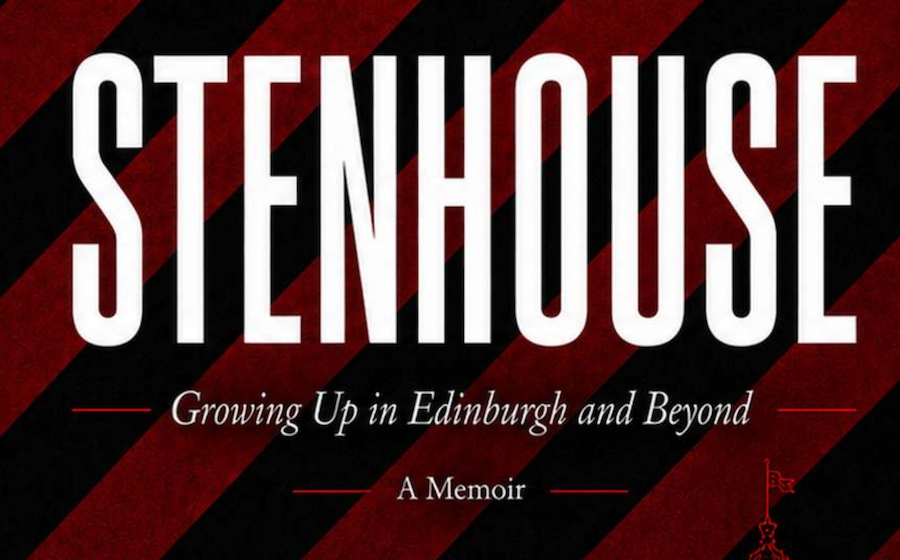
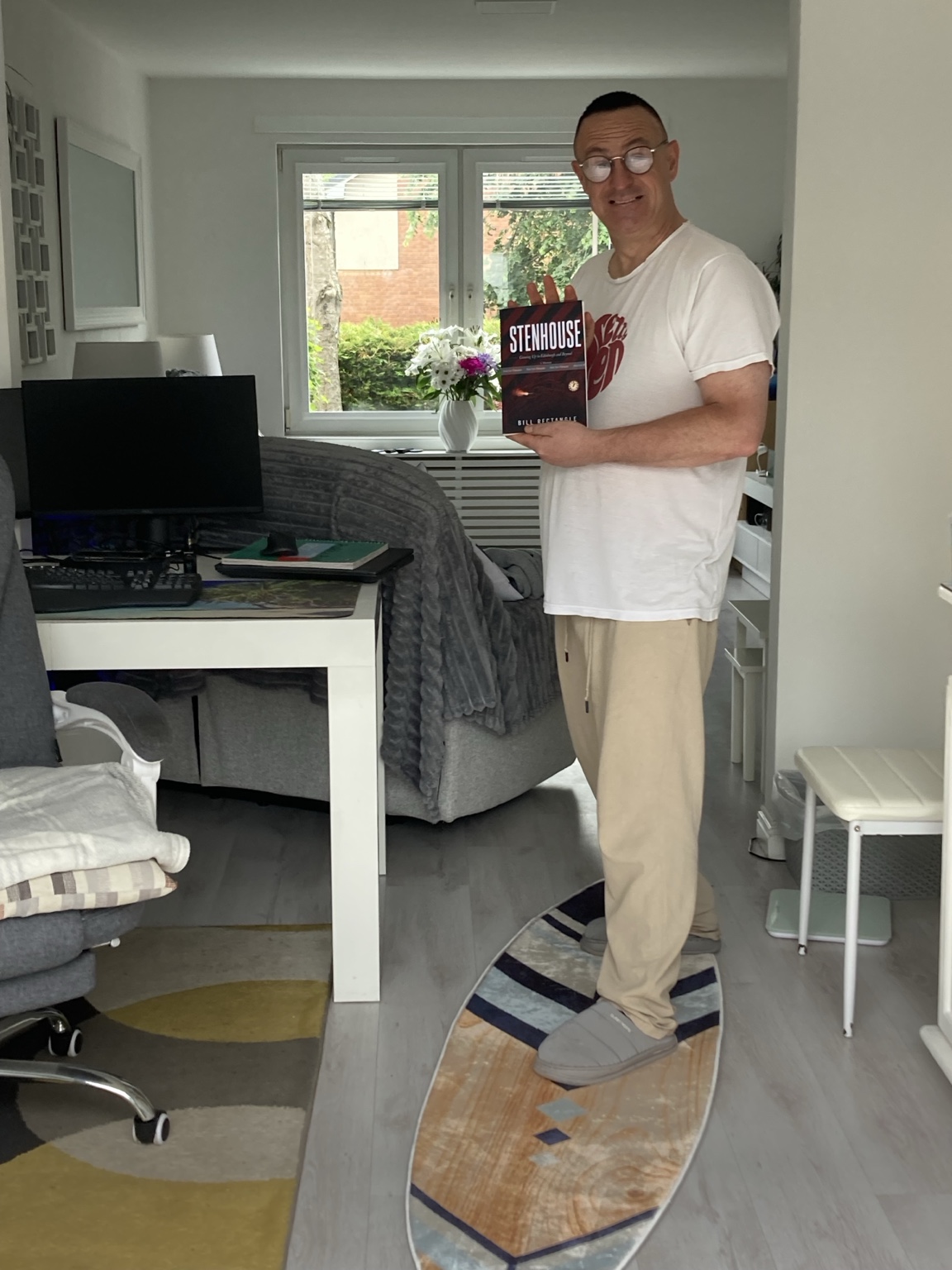
Departing from the shared stories in this section, we share a new, specially written piece by author Michael Judge. He reflects on writing his new memoir, Stenhouse (penned under the name Bill Rectangle), and the importance of preserving and sharing memories and life stories.
STENHOUSE: Why Ordinary Stories Matter
By Michael Judge, author of STENHOUSE: Growing Up in Edinburgh and
Beyond, writing as Bill Rectangle
When people think of Edinburgh, they often picture the Castle, Princes
Street, the Royal Mile, the Festival and the dramatic skyline that has
made the city famous around the world.
That Edinburgh is real, of course, and I have always been proud to
have grown up in such a remarkable city. But it is only one version of
Edinburgh.
My Edinburgh was also Stenhouse.
It was a house on Stenhouse Drive, a garden with two wooden huts,
local parks, washing-line poles turned into playground equipment,
bicycles, footballs, skateboards, school playgrounds, buses, friends
appearing at the door and parents calling you home when the day was
finished.
It was the Edinburgh that tourists rarely saw.
That, for me, is where the connection between memoir and living memory
becomes important.
I wrote STENHOUSE: Growing Up in Edinburgh and Beyond because I
eventually realised that the ordinary details of a life do not remain
ordinary forever. If nobody records them, many simply disappear.
THE EDINBURGH I REMEMBER
I was born in 1977 and grew up in Stenhouse through the 1980s and into
the early 1990s.
My earliest memories are not organised like a history book. They
arrive as flashes: the orange glow of a gas fire, music playing in the
living room, the warmth of my family, the feel of furniture, the
garden, my little blue-and-white tricycle, a yellow scooter and the
sense that even a short journey away from the house could feel like an
expedition.
Our home was the centre of everything.
My mum was a talented seamstress and upholsterer. My dad worked with
carpets and upholstery. My granddad was a highly skilled joiner. Parts
of the house had literally been shaped by family hands.
We were not wealthy in any glamorous sense, but as a child I never
measured life like that. I remember a warm, secure family home.
My sister was fourteen years older than me and was almost like a
second mum at times. Through her came another world: music, friends,
ice skating, style and the first glimpses of what growing up might
look like.
Outside the house, my map gradually expanded.
The street became the parks. The parks became the burn and the Water
of Leith. Then there was Murrayfield Ice Rink, Hillend, the
Commonwealth Pool, football, Boys’ Brigade, skiing, skateboarding and
eventually the wider city.
Children understand places through experience long before they
understand them through official maps.
A patch of grass can become important because of who you met there. A
bridge can become a landmark because of what happened around it. A
washing pole can become the safe point in a game. A bit of concrete
can become a skate spot.
Those places may seem insignificant to somebody passing through them.
To the people who grew up there, they can contain an entire world.

A CITY WITHIN A CITY
One of the things I came to appreciate later is that Edinburgh can
feel like a collection of smaller communities, each with its own
characters, relationships and rhythms.
As children, we were aware of the grander Edinburgh, but we were not
walking around every day thinking about the historical importance of
the city. The Castle was simply there. Museums were there. Murrayfield
was there. The parks and historic buildings were there.
You take your own surroundings for granted when they are the only
world you know.
It was travelling later in life, visiting other cities and countries,
that made me appreciate Edinburgh more.
At the same time, I think it is important that the everyday Edinburgh
is preserved alongside the famous Edinburgh.
If somebody wants to understand what life in the city actually felt
like for one child in the 1980s, photographs of the Castle alone
cannot tell them.
You also need the stories about the houses, schools, local shops,
friendships, fashions, music, buses, games, family routines and all
the apparently unimportant things people were doing between the major
historical events.
That is social history too.
MEMORY IS PERSONAL, NOT PERFECT
I have never presented STENHOUSE as the definitive history of
Stenhouse, or claimed that everyone who grew up there experienced the
same childhood that I did.
They obviously did not.
It is my remembered experience.
That distinction matters.
Two people can stand in the same street, attend the same school and
remember the period differently. Families tell stories differently.
Children notice different things. Time changes our perspective.
That does not make personal memory worthless. Quite the opposite.
When enough individual stories are preserved, they give us something
official records cannot provide: the atmosphere of life.
A census can tell us who lived somewhere. A map can show us where a
building stood. A newspaper can record the important events of the
day.
But those sources may not tell us what children called a particular
patch of ground, what song somebody's sister played repeatedly, how
cold a house felt on a winter morning, what trainers everybody wanted
or the ridiculous things children did to entertain themselves.
That information often survives only because somebody remembers it and
tells somebody else.
That is one of the great strengths of oral history.
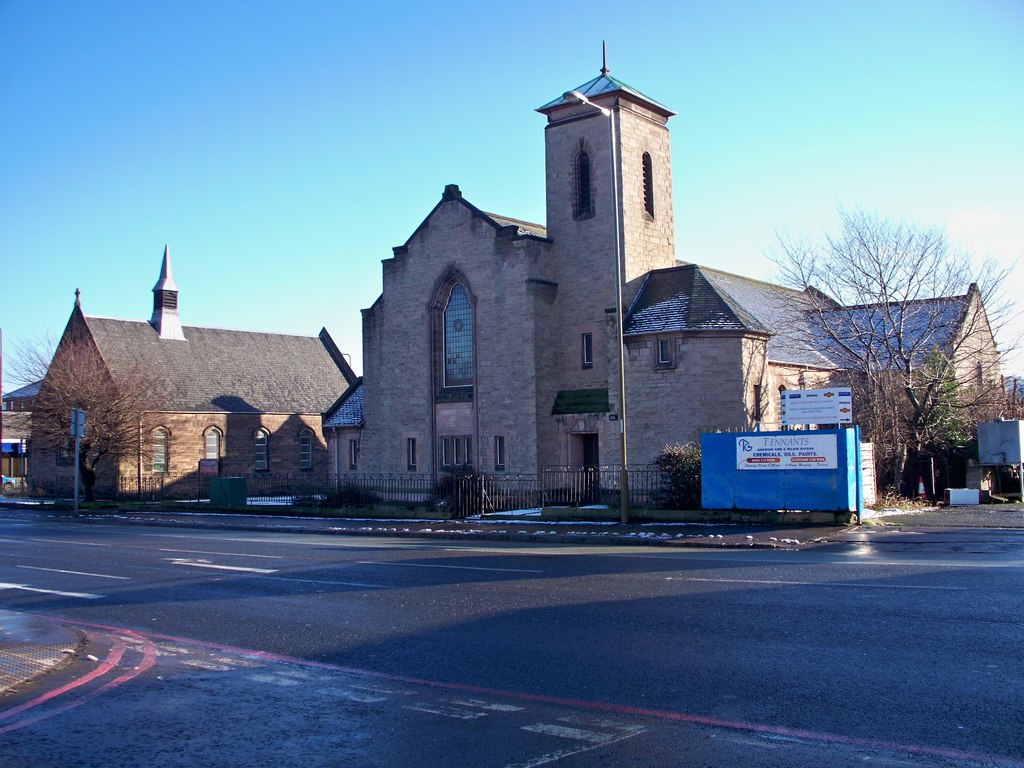
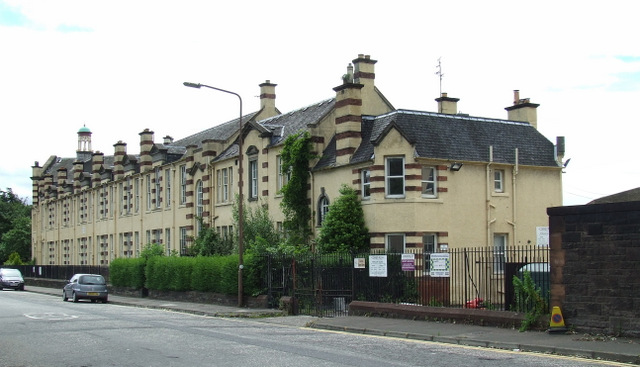
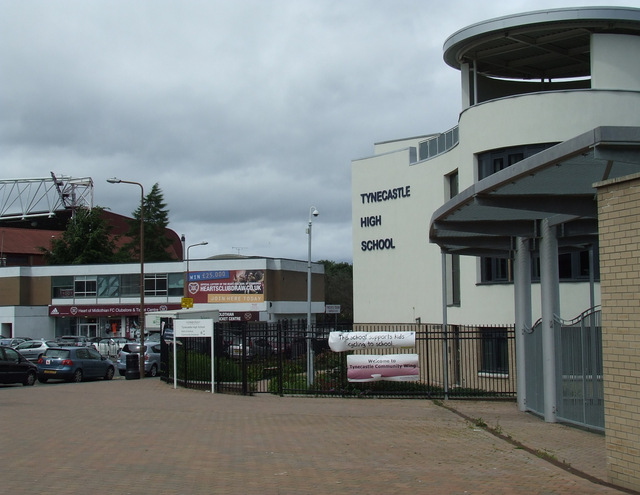
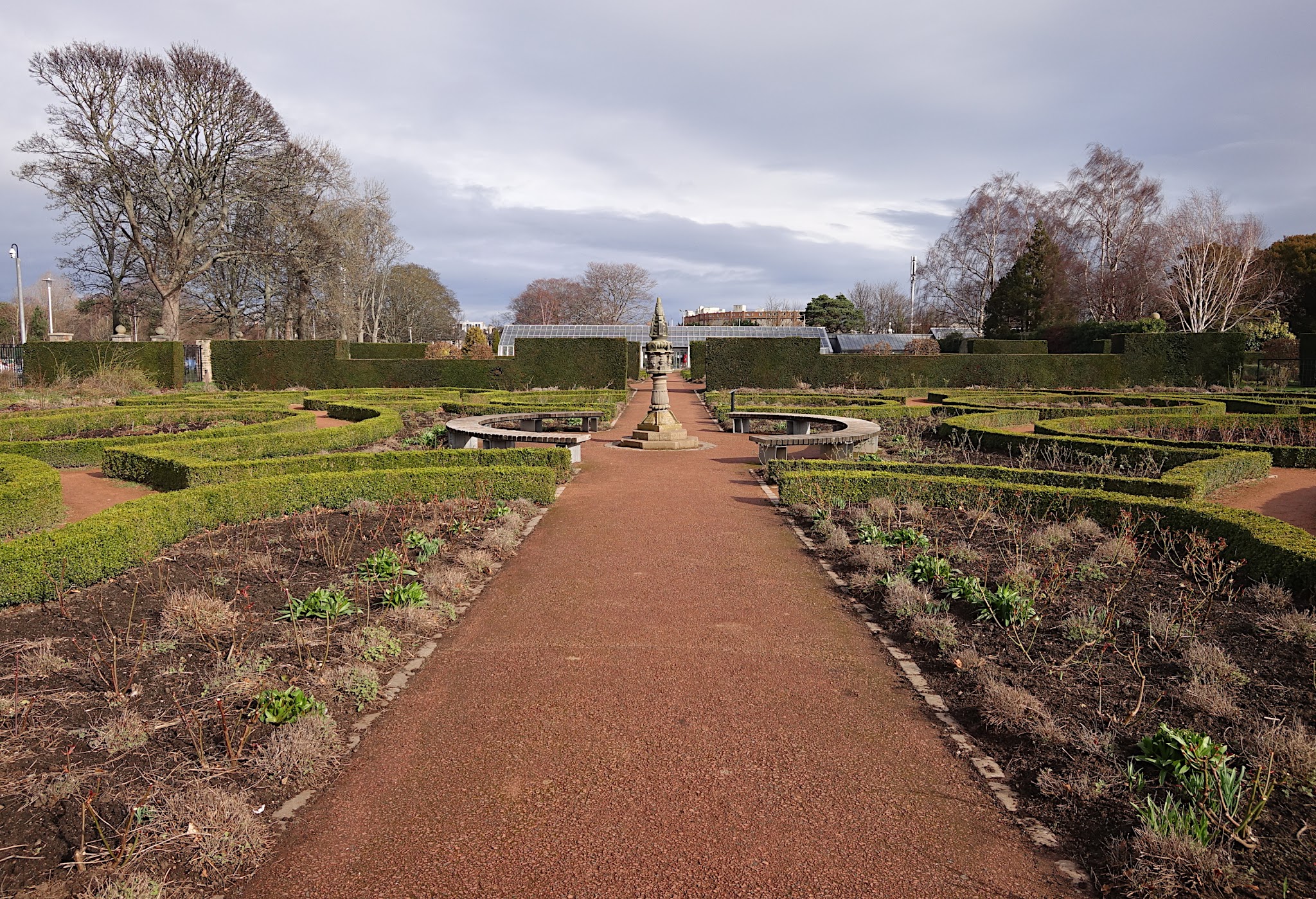
THE STORIES WE INHERIT
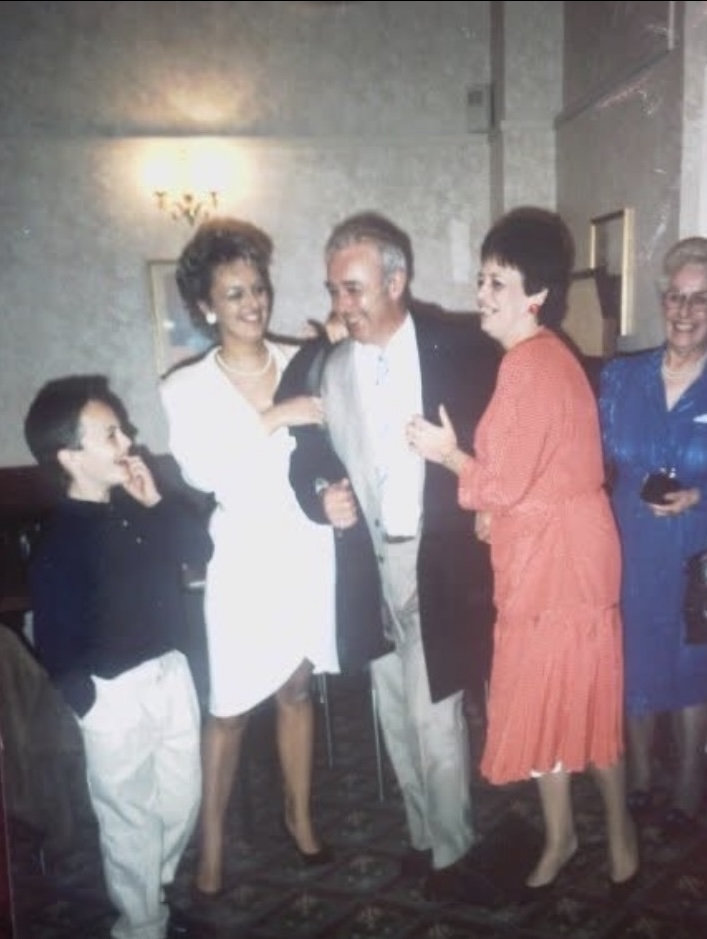
Some of the memories in STENHOUSE are not mine in the straightforward
sense. They came through family telling.
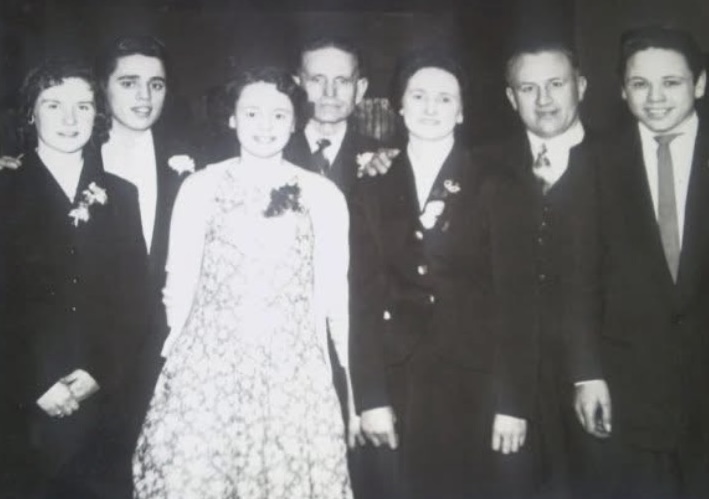
My mum talked about growing up around Stockbridge and St Stephen
Street. My dad spoke about his Irish roots and his childhood
connections with Bruff in County Limerick. Stories moved through
grandparents, parents, brothers, sisters, friends and neighbours.
By the time they reached me, some belonged partly to family history
and partly to memory.
That fascinated me while writing the book.
We inherit more than possessions from our families. We inherit stories.
Sometimes it is a major event. Sometimes it is an accident that
affected a family for decades. Sometimes it is simply a funny story
that has been repeated at family gatherings so many times that
everybody can almost tell it together.
Those stories help explain who people were before we knew them.
They also remind us that every older person around us once had an
entire young life that existed before we arrived.
One of the dangers is assuming we will remember to ask about it later.
Later does not always come.
That is why I have become increasingly interested in preserving
ordinary voices while we still can.
THE SMALL DETAILS BECOME HISTORY
The world described in STENHOUSE did not feel historical when I was
living in it. It was simply modern life.
Cassette tapes were normal. Records were normal. Three television
channels once seemed completely normal. Children disappearing outside
for hours and returning when they were hungry seemed normal.
Early computers slowly began entering our lives.
Music travelled through records, radio, television, friends and copied
tapes. Radio Forth became important. Later, electronic music and the
beginnings of Edinburgh's rave culture started opening another door.
We did not know we were living through a transition between an
analogue childhood and the digital world.
Now the difference is obvious.
Even within Stenhouse itself, physical places have changed. Shopping
areas have been redeveloped. Housing has changed. Familiar buildings
have disappeared. Saughton Park has changed significantly over the
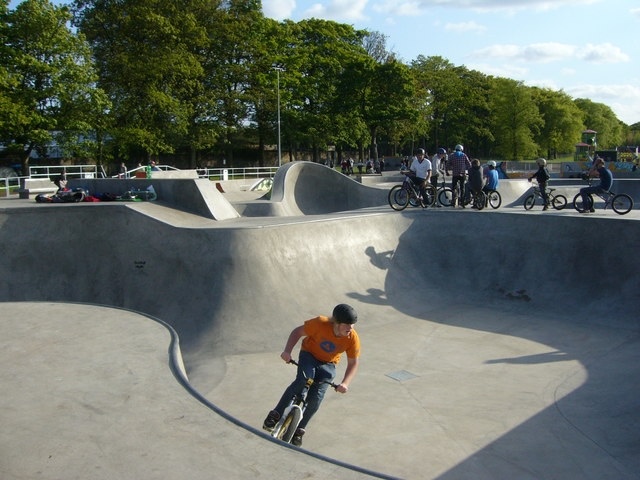
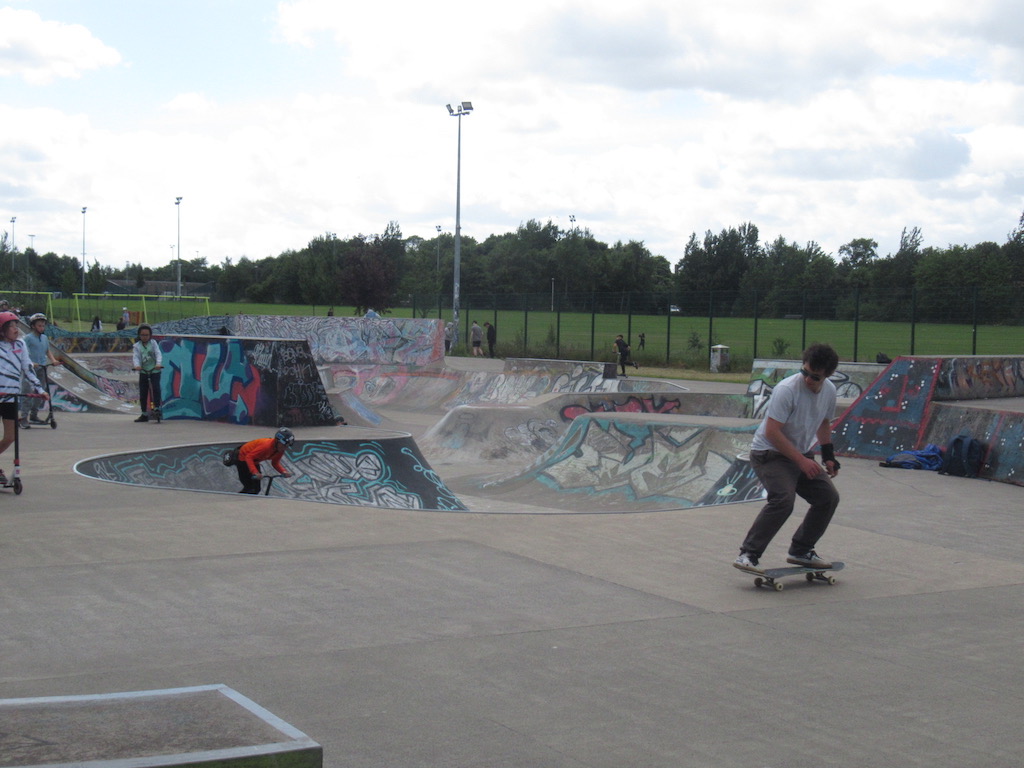
years, and Edinburgh now has proper skate facilities that my
generation could only have wished for when we were younger.
Places change because cities have to change.
But once a place changes physically, memory becomes one of the few
ways of seeing what existed before.
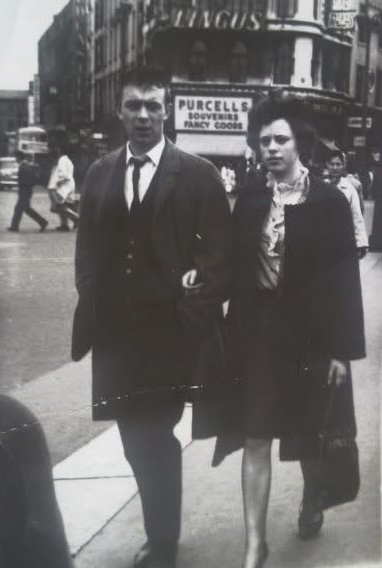
That is why photographs and personal testimony become so valuable.
A completely ordinary photograph taken outside somebody's house in
1985 may become far more historically interesting forty or fifty years
later because of everything unintentionally captured behind the person
posing for it.
Cars. Clothes. Shop signs. Buildings. Roads. Street furniture.
The photographer may never have intended to document history.
Yet that is exactly what they did.
FROM STRUGGLING WITH WORDS TO WRITING A MEMOIR
There is another reason the project means a lot to me personally.
Writing was not an obvious destination when I was young.
I struggled with spelling and written English. My strong Edinburgh
accent affected how I heard certain sounds and I often tried to spell
words phonetically.
During Primary 6 and Primary 7 I received additional support,
including attending a reading unit. It required effort, but it helped
enormously.
I eventually progressed through further education, built a career in
technology and gained professional qualifications.
Then, decades later, I wrote a full-length memoir.
There is something satisfying about that circle.
The child who once needed extra support with words eventually became an author.
I think it also says something important about preserving stories.
You do not have to consider yourself a historian or a professional
writer before your experiences become worth recording.
The value comes from the experience itself.
AN ANALOGUE CHILDHOOD PRESERVED WITH MODERN TECHNOLOGY
My professional life has been almost the reverse of the childhood
world I wrote about.
I have worked in IT and technology for around thirty years, moving
through technical support, infrastructure, cybersecurity, cloud
technology, automation, consultancy and digital transformation.
That eventually created an unusual meeting point between memory and
modern technology.
Before using modern AI-assisted tools on STENHOUSE, I had already
written and arranged tens of thousands of words of memories into a
chronological framework.
Those memories remained what I describe as the single source of truth.
I then developed a process I call the Cinematic Layering Technique.
I treated a memory rather like a painting.
First establish what happened. Then explore the surroundings,
movement, sounds, atmosphere, feelings and later reflections,
gradually adding layers without changing the underlying event.
Modern digital and AI-assisted tools helped me ask structured
questions, organise information, refine language and check continuity.
They were enabling tools; they were not permitted to invent my life. I
retained authorship, verification and final creative responsibility
throughout.
There is something rather fitting about using twenty-first-century
technology to preserve a largely pre-digital childhood.
The project now exists not only as a paperback and digital book but as
an audiobook that I personally narrated, alongside photographs, video,
website material and aerial footage.
Different media preserve different things.
Text can carry reflection.
A photograph can preserve a face or place.
Film preserves movement.
And a voice recording preserves something uniquely human: accent,
rhythm, emphasis and personality.
That is why oral history remains so powerful even in a digital age.
WHAT I HOPE STENHOUSE LEAVES BEHIND
When I look back now, I do not see Stenhouse as one simple thing.
There was warmth and hardship, humour and danger, family and
independence, changing fashions, music, sport, early technology,
mistakes and the slow process of growing up.
Most importantly, there were people.
My parents, my sister, relatives, friends, neighbours, teachers and
all the characters who wandered through those years contributed
something to the person I eventually became.
I did not write STENHOUSE because I believed my childhood was more
important than anybody else's.
I wrote it because it was mine.
And through writing it, I realised that this is precisely why ordinary
stories matter.
History is not only what happens to famous people.
It is also millions of ordinary lives happening simultaneously in
houses, workplaces, schools, streets and communities.
Oral history gives those lives a voice.
Memoir gives some of them a permanent home.
Photographs give them faces and places.
Together, they allow somebody who was not there to get surprisingly
close to the experience.
One day, somebody may want to know what it was really like to be a
child in an ordinary part of Edinburgh during the 1980s and early
1990s.
Not only the postcard Edinburgh.
Not only the Castle and Festival.
But the Edinburgh of local streets, families, footballs, bikes, music,
friendships and children turning whatever patch of ground they had
into a world of their own.
My contribution is only one person's version of that story.
But perhaps that is the point.
Living memory is built one person's story at a time.
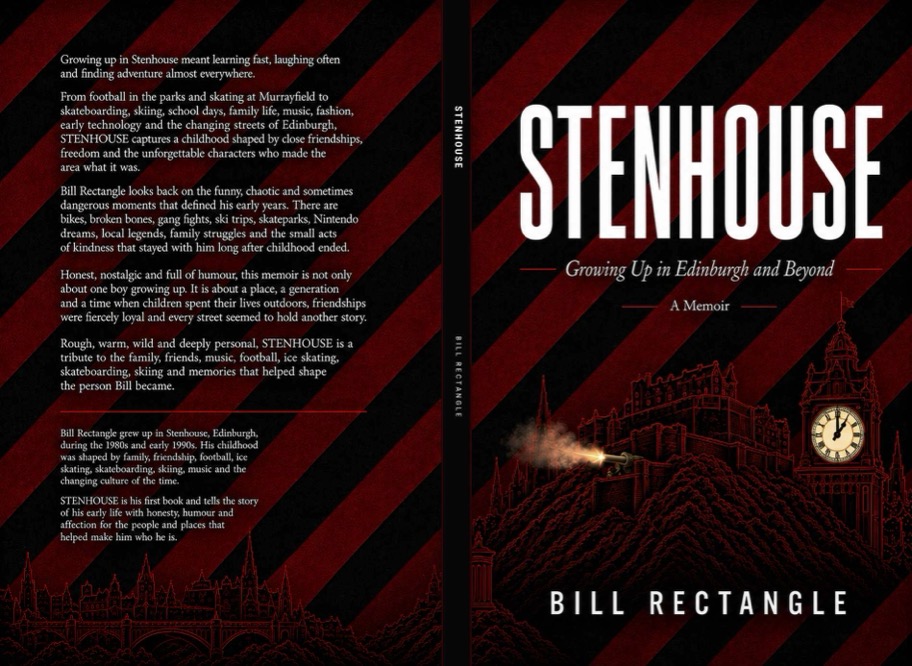
To find out more about Michael’s new book Stenhouse and order you own copy, please visit https://www.whitehatmedia.org/